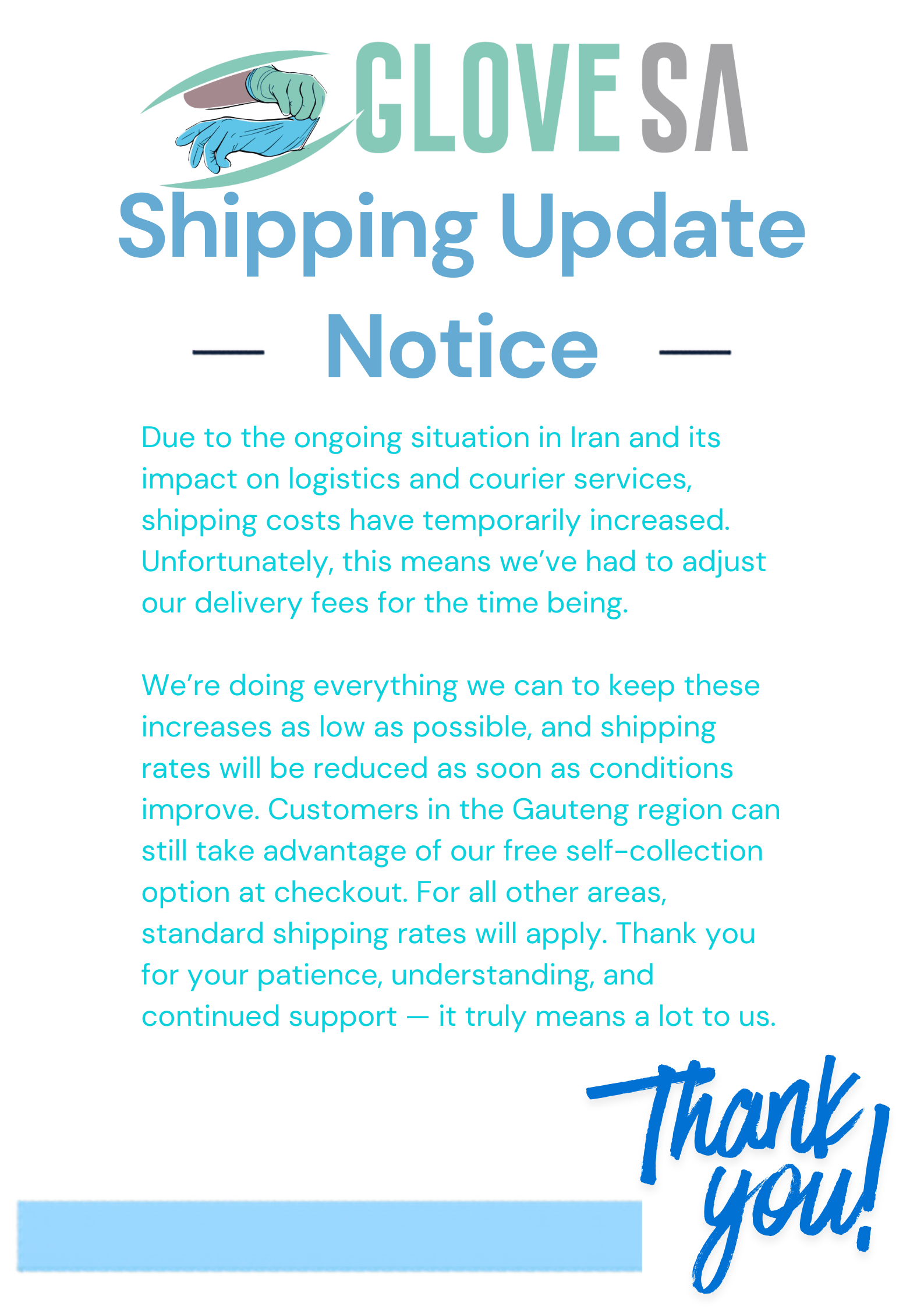
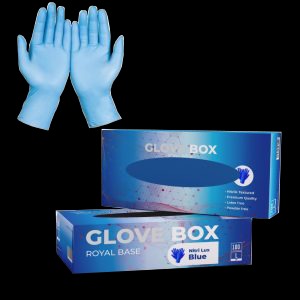
When you compare powdered vs powder-free gloves, the main difference is whether the glove includes powder inside the glove. On GloveSA, you can shop both Latex Powdered Gloves and Latex Powder-free Gloves, along with powder-free nitrile options. That makes the choice less about guesswork and more about matching the glove to the level of hygiene, comfort, and task control you need.
What Powdered Means
On GloveSA, powdered and powder-free are both shown as glove options within the latex range. The Latex Powdered Gloves page describes powdered latex examination gloves made from premium grade natural rubber latex, with enhanced tactile sensitivity and suitability for extended wear. The product is supplied as non-sterile, with a beaded cuff design and textured easy-grip surface.
The powder-free latex option is also presented as an examination glove made from premium grade natural rubber latex, with enhanced tactile sensitivity and suitability for extended wear. The key difference on the product page is that powder-free latex gloves are described as reducing powder spills on garments and potential contamination. That makes the comparison clearer when hygiene is part of the buying decision.
Hygiene And Cross-Contamination
If your priority is a cleaner working setup, powdered vs powder-free gloves becomes a hygiene question first. GloveSA states that powder-free latex gloves reduce powder spills on garments and potential contamination. For hygiene-first work, that wording matters because it points to a cleaner glove surface choice where you want to keep stray residue out of the task area.
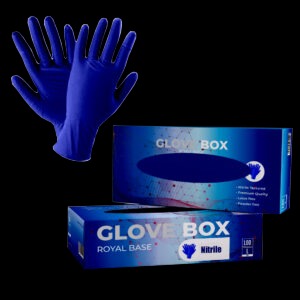
Cross-contamination concerns usually push buyers towards cleaner, simpler glove options. GloveSA also sells nitrile gloves that are listed as powder-free, non-sterile, ambidextrous, disposable, and textured for grip. If you are trying to limit powder around products, tools, surfaces, or garments, powder-free gloves for hygiene are the more practical place to start on this site.
This does not mean every powdered glove is unsuitable for every job. It means the task should guide the choice. Where hygiene standards feel tighter and residue is less acceptable, powder-free options line up more closely with the benefits GloveSA highlights on its product pages.
Skin Comfort And Fit
Comfort also shapes the decision. Both GloveSA’s powdered and powder-free latex gloves are described as comfortable for extended wear, with touch sensitivity that feels like a second skin and superior dexterity for fine, delicate work. If you are choosing only between those two latex options, comfort alone may not settle the decision because both are positioned for similar day-to-day wear.
Skin irritation is another part of the conversation, especially if your team wears gloves often. GloveSA’s powder-free latex gloves are described as being produced to protect those who are hypersensitive to latex protein, with low water-soluble proteins and chemical allergens. GloveSA’s nitrile gloves are also presented as an ideal alternative where latex allergies are a concern and contain no latex proteins or accelerators.
That gives you a useful split. If you want latex, powder-free may feel like the safer direction where skin sensitivity and contamination are both part of the decision. If latex itself is the concern, nitrile becomes the cleaner next option within the GloveSA range.
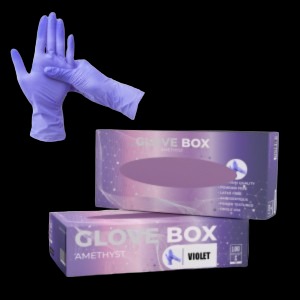
Powder-Free Gloves For Hygiene
For food handling, medical use, and beauty work, buyers often look for a glove that supports a cleaner workflow and steady hand control. GloveSA sells Deli Gloves, Sterile Surgical Gloves, Latex Powder-free Gloves, and several nitrile glove options, so the range already reflects that different tasks call for different disposable glove types.
In these settings, powder-free gloves for hygiene usually make more sense because GloveSA directly links powder-free latex gloves with reduced powder spills and potential contamination. Its nitrile gloves are also listed as textured powder free, non sterile, ambidextrous, disposable, and premium and medical grade, which makes them relevant when buyers want powder-free handling and a strong grip.
Medical use on the site is reflected through examination gloves and sterile surgical gloves rather than broad claims about every product. That is why the safest approach is to choose based on the exact product page, the glove material, and whether powder-free handling is part of the requirement for your working environment.
When Powdered Still Fits
Powdered gloves still appear in GloveSA’s product range, so there are buyers and tasks where they remain part of the choice. The Latex Powdered Gloves page highlights comfort for extended wear, touch sensitivity, superior dexterity, and effective protection in high risk scenarios. That means the powdered option is not positioned as a poor-quality alternative. It is simply a different glove format within the latex category.
For lower-risk tasks where residue is less of a concern, some buyers may still consider powdered latex gloves. The site does not frame powdered gloves as the first choice for hygiene-focused work, but it does keep them available alongside powder-free latex gloves at the same box and case pricing structure. That makes the decision more about task risk and product preference than price alone.
If the job is less sensitive, and you are already comfortable with latex, powdered gloves may still have a place in your buying mix. If hygiene and contamination control sit higher on the list, the powder-free side is easier to justify based on GloveSA’s own product wording.
Industry Choice Guide
For food handling, a cleaner glove choice usually matters more than anything that could leave visible residue behind. GloveSA’s powder-free latex wording speaks directly to reducing powder spills and potential contamination, which makes powder-free gloves easier to align with hygiene-first food tasks. Deli Gloves may also be worth reviewing depending on the application.
For medical use, it helps to separate examination tasks from sterile requirements. GloveSA offers latex examination gloves in both powdered and powder-free formats, powder-free nitrile gloves described as premium and medical grade, and a separate Sterile Surgical Gloves product. That means the right choice depends on the setting, the product page, and the level of hygiene control expected for the work.
For beauty work, comfort, dexterity, and a clean finish often carry more weight than anything else. GloveSA’s powder-free latex and nitrile glove pages both focus on touch sensitivity, dexterity, and extended wear, so powder-free options are the easier fit where close hand work and presentation matter.
For general low-risk use, you have more room to choose based on material preference, availability, and how the glove feels in practice. GloveSA sells both powdered and powder-free latex gloves in Small, Medium, and Large, and many glove products are available by box or case, which can help when you are buying for a team.
Powdered Vs Powder-Free Gloves FAQs
What Does Powdered Mean In Disposable Gloves?
On GloveSA, powdered refers to a latex glove option that is sold separately from its powder-free latex version. The Latex Powdered Gloves page describes a powdered examination glove made from premium grade natural rubber latex, with enhanced tactile sensitivity, extended-wear comfort, and a textured easy-grip surface. The main comparison point on the site is that the powder-free version is described as reducing powder spills and potential contamination.
Are Powder-Free Gloves Better For Hygiene?
Based on GloveSA’s wording, powder-free gloves are the clearer choice where hygiene is a higher priority. The powder-free latex product page says these gloves reduce powder spills on garments and potential contamination. That makes them easier to align with cleaner work areas and lower residue concerns. GloveSA’s nitrile gloves are also listed as powder-free, which gives you another option if you want a glove without latex proteins or accelerators.
Are Powder-Free Gloves For Hygiene A Better Choice For Food And Beauty Work?
For food handling and beauty work, many buyers look for gloves that support a cleaner working environment and steady control. On GloveSA, powder-free latex gloves are directly linked to reduced powder spills and potential contamination, while powder-free nitrile gloves are described as textured, disposable, and suited to fine work. That makes powder-free options easier to justify when hygiene and presentation both matter.
Which Option Is Better If Skin Irritation Is A Concern?
If skin irritation or sensitivity is part of the decision, GloveSA gives you two useful routes. Its powder-free latex gloves are described as low in water-soluble proteins and chemical allergens and produced with hypersensitivity in mind. Its nitrile gloves are presented as an ideal alternative where latex allergies are a concern and contain no latex proteins or accelerators. The better option depends on whether the concern is powder, latex, or both.
When Might Powdered Gloves Still Be Used?
Powdered gloves may still be considered for lower-risk tasks where hygiene demands are less strict and visible powder residue is less of a concern. GloveSA continues to stock Latex Powdered Gloves and describes them as comfortable for extended wear, sensitive to touch, and suitable for fine work. That suggests they still have a place for some buyers, even though powder-free options are easier to favour for contamination-sensitive work.
Choose Powdered Vs Powder-Free Gloves
When you weigh powdered vs powder-free gloves, the better option usually comes down to task risk, hygiene needs, and material preference. If you need a cleaner glove for contamination-sensitive work, powdered vs powder-free gloves often points you towards powder-free latex or powder-free nitrile within the GloveSA range. Choose based on task risk and hygiene needs—shop powder-free options for regulated work.